
SENSATION, PERCEPTION, AND ACTION
We rely on our sensory systems to perceive and interact with the world. Given the complexity of our sensory environment, the nervous system has evolved specialized neural circuits that filter, combine, and refine the barrage of sensory signals we constantly encounter. The Yau Lab takes a multifaceted approach that integrates behavior, neurophysiology, neuroimaging, neuromodulation, and modeling to gain insight into the principles underlying sensory information processing and how the primate brain supports perception and action.
Encoding and Elaboration of Somatosensory Cues
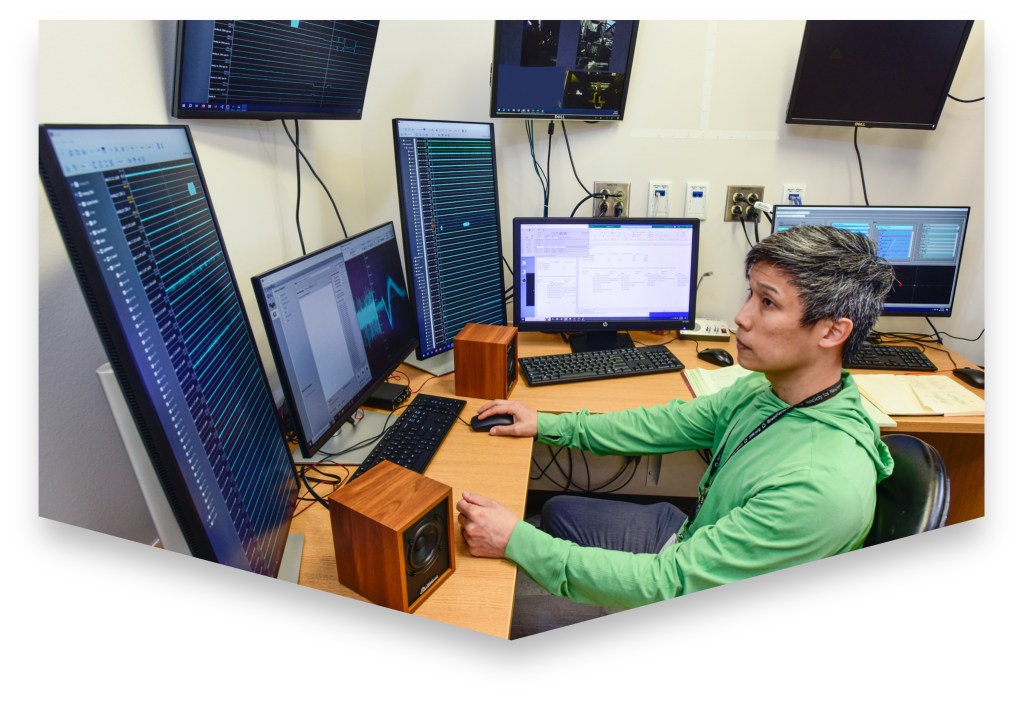
The Yau Lab is interested in establishing how tactile cues experienced on the skin are represented by the nervous system. By understanding how cues are encoded, we can then study how tactile representations are refined and elaborated in the somatosensory system. For instance, the lab has ongoing investigations focused on how sensory cues experienced on one hand are modulated by stimulation on the other hand or at a different body site. We also have ongoing projects investigating influences of thermal percepts on tactile sensations.
Additionally, our lab is interested in how the deployment of feature-based attention or spatial attention modify the encoding, working memory maintenance, and readout of sensory representations for perceptual decisions.
Multi-Sensory Processing

We typically experience touch in conjunction with visual and auditory cues. The nervous system can leverage redundant audio-tactile and visuo-tactile information to generate more precise perceptual estimates and resolve ambiguities. The Yau Lab is interested in how somatosensory processing relates to its visual and auditory counterparts. We are also focused on understanding how tactile cues are integrated with information signaled by other sensory modalities.
Dexterous Manual Behaviors
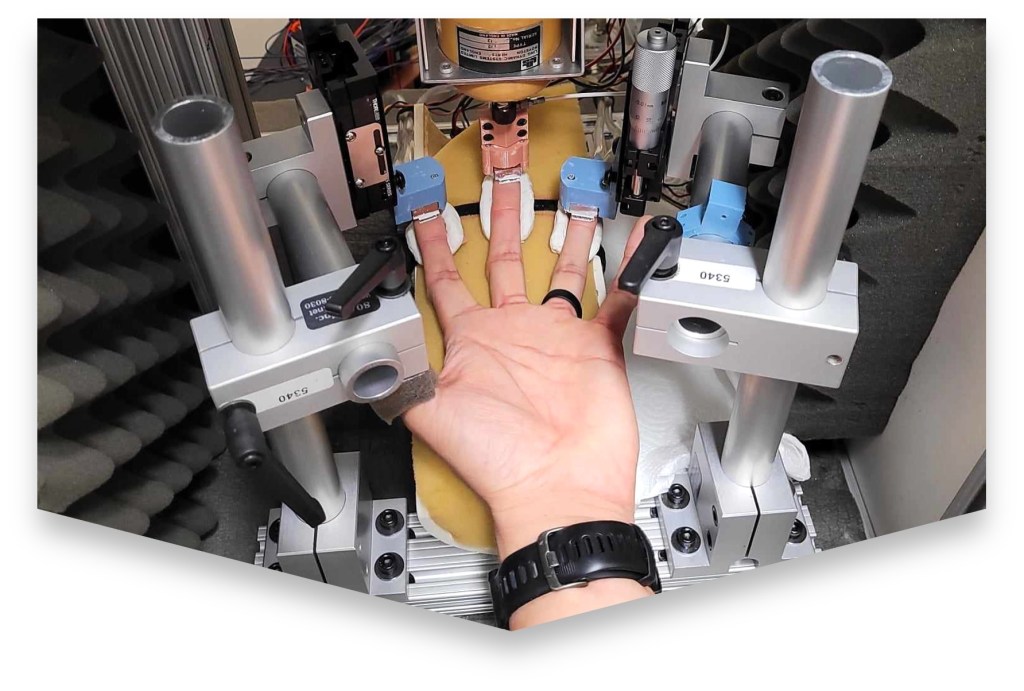
Somatosensation is important not only as a primary channel to perceive the environment, but also in its capacity to guide motor function. The Yau Lab is interested in understanding how touch contributes to the performance of dexterous hand functions. In particular, we wish to characterize the relationship between touch and vision in guiding hand movements, and understanding how these dynamics are perturbed when sensory function is impaired.
You can learn more about somatosensation from Dr. Yau in Chapter 7 of The Handbook of Touch.
 YAU LAB